New FAA Security Advisory Tightens UAS Restrictions Near Sensitive Assets
- Jan 26
- 1 min read
The FAA has issued NOTAM FDC 6/4375, replacing FDC 5/6378, to reinforce national security protections around critical federal facilities and mobile assets. This directive establishes strict stand-off distances for unmanned aircraft systems (UAS) operating near Department of Defense (DoD), Department of Energy (DOE), Department of Homeland Security (DHS), and United States Coast Guard (USCG) assets—including vessels, convoys, and their escorts.
Under 14 CFR §99.7, all UAS are prohibited from flying within 3,000 feet laterally and 1,000 feet above these protected entities unless specifically authorized by the FAA. The designated airspace is classified as National Defense Airspace under 49 U.S.C. §40103(b)(3), and violations may trigger serious consequences.
Enforcement Actions Include:
Criminal charges under federal law
Civil penalties and certificate revocation by the FAA
Mitigation measures such as interception, seizure, or destruction of aircraft deemed a credible threat under authorities including 10 U.S.C. §130i, 6 U.S.C. §124n, and 50 U.S.C. §2661
Operational Exceptions
UAS missions supporting national defense, homeland security, law enforcement, firefighting, search and rescue, or disaster response may be permitted—but must coordinate in advance with the appropriate federal entity or contact the FAA System Operations Support Center (SOSC) at (202) 267‑8276.
Coordination Resources
Facility-specific contacts: FAA UAS Data Site
General UAS inquiries: faa.gov/uas/contact, uashelp@faa.gov, or (844) FLY‑MY‑UA
Bottom Line
While not all protected assets are covered by active NOTAMs or advanced airspace measures, UAS operators should exercise heightened caution near any DoD, DHS, DOJ, DOE, or USCG facilities and mobile assets. This advisory underscores the evolving intersection of unmanned aviation and national security—and the need for proactive coordination.

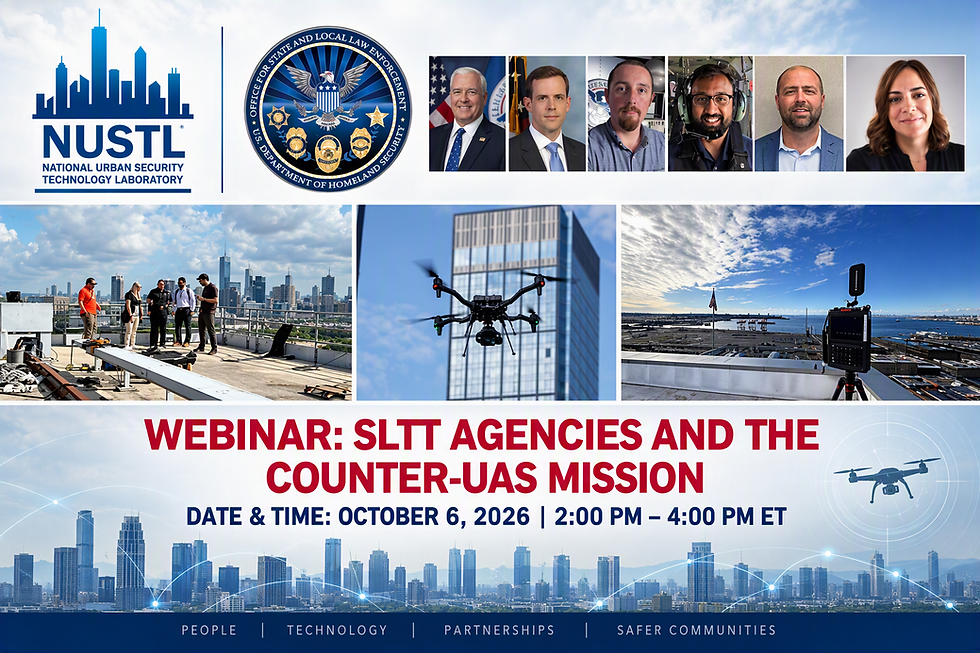


This move reflects growing concern from Word hurdle U.S. authorities about national security risks posed by both unauthorized and poorly coordinated drone flights.
Eggy Car is more than a simple online game. It is a test of balance, control, and perseverance. The game Eggy Car is a fun activity for me, but it also serves as a reminder of the value of patience and perseverance. Every time the egg falls, I realize that failure is not the end of the world—it is only another opportunity to try again.
This new FAA security advisory highlights an important shift in how drones are regulated around critical infrastructure. As aviation and UAS operations grow, tighter UAS restrictions near sensitive assets remind us that safety and security must evolve alongside technology.
From a professional perspective, understanding both the operational impact and the legal implications of this advisory is crucial for operators and stakeholders. It’s not just about remaining compliant; it’s about building responsible practices that protect people, property, and essential services.
At CS‑Arabia, we’re constantly monitoring how regulatory updates like this influence broader airspace management and risk mitigation strategies. It raises thoughtful questions about how operators should adapt training, geofencing, and flight planning to stay ahead of evolving standards.
Appreciate this detailed breakdown…
A highly relevant and timely post for organizations navigating drone technology and security requirements. The https://angkorscape.com/ guidance helps clarify procurement challenges while emphasizing safety and compliance. It’s encouraging to see structured resources supporting responsible innovation in rapidly evolving drone and defense sectors.
This is an essential resource for organizations navigating public-sector drone adoption. The clarity and structure https://www.nutritist.us/ of the guidance are impressive. we appreciate forward-thinking content that supports responsible technology use and informed decision-making in critical industries.